
Are you considering whether is Vietnam property a good investment in 2026? With a dynamic economy and a rapidly evolving investment landscape, this question continues to attract considerable interest from international investors. Vietnam’s real estate market presents compelling opportunities, accompanied by a distinctive legal framework and regulatory considerations. This analysis offers an objective perspective, helping you understand everything from ownership regulations and potential advantages to the risks that should be carefully assessed before committing capital.
Vietnam Property in 2026 and Beyond – An Investment Analysis for Foreigners
As Vietnam moves through 2026, its real estate market stands at an important turning point. Following the volatility of previous years, the market is showing signs of greater stability and recalibration, creating both opportunities and challenges for foreign investors. Understanding the current landscape and future outlook is essential for making well-informed investment decisions.
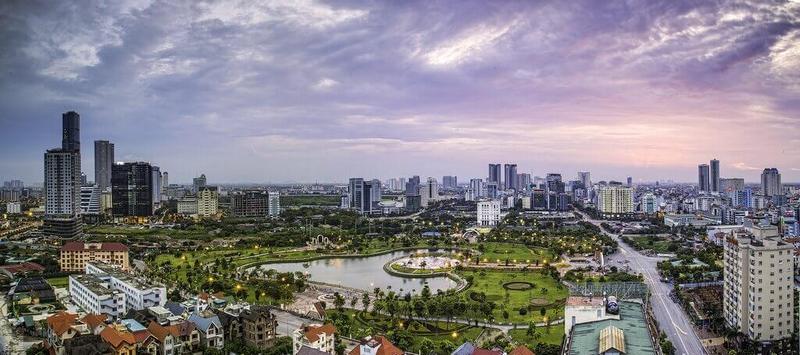
Current Market Outlook and Future Projections
Vietnam’s economy is expected to maintain a steady growth trajectory, supported by strong foreign direct investment (FDI) and the continued expansion of the middle class. Government initiatives aimed at resolving legal bottlenecks and improving market transparency are also beginning to take effect.
Industry observers believe the market is entering a new cycle, with increasing emphasis on higher-quality developments and sustainable urban growth. Segments such as apartments in major metropolitan areas and industrial real estate continue to be regarded as particularly promising.
A Balanced View: Weighing Opportunities Against Complexities
Every investment decision requires a multidimensional perspective. While the appeal of Vietnam’s economic expansion and rapid urbanisation is undeniable, buying property in Vietnam as a foreigner requires a thorough understanding of a legal system that differs significantly from those in many international markets.
Ownership restrictions, administrative procedures and language barriers are practical realities that every foreign investor must be prepared to navigate.
This article examines both the opportunities and the complexities in detail, offering a comprehensive foundation before you commit substantial capital to the Vietnamese property market.
Understanding the Legal Framework for Foreign Ownership
One of the principal concerns for international investors is the legal framework. Can foreigners genuinely own property in Vietnam?
The answer requires a clear understanding of the regulations governing Vietnam property laws for foreigners.
Can Foreigners Legally Own Property in Vietnam?
The answer is yes, but subject to certain conditions.
Since the 2014 Housing Law came into effect, the Vietnamese government has allowed eligible foreign individuals to purchase and own residential property.
However, this form of ownership is not perpetual in the same way as freehold ownership in many other countries. Instead, foreign ownership is generally granted for a fixed period, a concept that will be explained in greater detail below.
Eligible Entities and Required Documentation
To purchase property in Vietnam, you generally need to fall within one of the following categories:
- Foreign individuals: You must be legally permitted to enter Vietnam. In practice, this usually means holding a valid passport together with a valid visa or lawful entry documentation.
- Foreign organisations: Foreign-invested enterprises, branches and representative offices of foreign companies operating in Vietnam.
In terms of documentation, the process is relatively straightforward, primarily requiring your passport and valid immigration documents at the time the sale and purchase agreement is executed.
The 50-Year Lease in Vietnam for Foreigners Explained
This is one of the most important distinctions international investors need to understand.
Rather than receiving perpetual freehold ownership, foreigners generally acquire residential ownership under a 50-year leasehold in Vietnam.
What does this mean in practical terms?
- Ownership term: You have the right to own, use, lease, inherit or sell the property during the 50-year ownership period.
- Extension: Upon expiry of the 50-year term, an extension may be requested in accordance with the law applicable at that time.
- Resale: If you sell the property to a Vietnamese citizen, the buyer may receive long-term ownership rights. If the property is sold to another foreign buyer, the new owner generally assumes the remaining term of the original 50-year ownership period.
Types of Property Available for Foreign Investment
Vietnamese law provides relatively clear guidance on the types of residential property foreigners may purchase.
In general, foreign investors may acquire:
- Condominium apartments within licensed commercial residential developments.
- Individual residential houses, including townhouses and villas, within licensed commercial housing projects.
An important limitation is that foreigners are generally not permitted to purchase vacant land plots or properties located outside approved commercial residential developments.
Potential Benefits of Investing in Vietnam’s Real Estate Market
Despite its distinctive regulatory framework, the Vietnam real estate market continues to offer several compelling structural advantages for investors who understand the market well.
Sustained Economic Growth and a Growing Middle Class
Vietnam has consistently ranked among the faster-growing economies in the region.
Sustained economic development has contributed to the emergence of an increasingly affluent middle class with stronger purchasing power.
As a result, demand for higher-quality housing and modern residential environments in major cities continues to rise, supporting long-term property value appreciation.
Ongoing Urbanization and Infrastructure Development
Urbanisation is progressing rapidly across Vietnam.
The government continues to invest billions of dollars in major infrastructure projects, including metro systems in Hanoi and Ho Chi Minh City, Long Thanh International Airport and regional expressway networks.
These developments not only improve quality of life and accessibility but can also directly enhance the value of properties located within surrounding growth corridors.
Competitive Property Prices in a Regional Context
Compared with other regional financial and metropolitan centres such as Bangkok, Kuala Lumpur and Singapore, Vietnam property prices, particularly in Ho Chi Minh City and Hanoi, remain relatively competitive.
This can offer investors a more attractive entry point and potentially greater room for capital appreciation over the long term.
Attractive Prospects for Rental Yields
Rental demand from expatriate professionals and Vietnam’s growing domestic workforce remains strong, particularly in central and well-connected districts.
This creates attractive prospects for rental income.
A carefully selected Ho Chi Minh City property investment in a prime residential location may therefore provide owners with a relatively stable recurring cash flow.
Navigating the Pitfalls and Risks of Buying Property in Vietnam
Alongside the opportunities, identifying and preparing for potential risks is an essential part of prudent property investment.
The following are some of the principal challenges foreign investors may encounter.
Complex Administrative Procedures and Bureaucracy
Vietnam’s administrative system can be complex and time-consuming, particularly for investors unfamiliar with local procedures or the Vietnamese language.
Completing documentation, executing contracts and obtaining an ownership certificate can require patience and professional assistance.
For international buyers, working with experienced legal and property advisers can significantly reduce the risk of procedural mistakes.
Foreign Ownership Quotas in Condominium Buildings
One of the notable risks of buying property in Vietnam is the quota imposed on foreign ownership.
Under the applicable framework described in the original analysis, foreigners may own up to 30% of the total apartments within a condominium building.
Before proceeding with a purchase, investors should verify with the developer whether the foreign ownership quota remains available.
If the quota has already been fully allocated, a foreign buyer may not be able to complete the transaction.
Challenges in Verifying Project Legitimacy
The market has previously experienced cases involving projects with incomplete legal approvals or developers lacking sufficient capability.
Thoroughly assessing the developer’s reputation, reviewing construction permits and examining all relevant legal documentation are therefore essential steps in protecting your investment.
Independent due diligence should never be treated as optional, particularly when purchasing high-value property.
Considerations for Resale and Capital Repatriation
When reselling a property, investors should understand the applicable taxes, including personal income tax where relevant.
The process of transferring investment proceeds back overseas must also comply with Vietnamese banking regulations.
Providing clear documentation proving the lawful origin of the funds is essential for repatriating capital and profits efficiently.
A Guide to the Property Acquisition Process for Foreigners
To provide a clearer understanding of the process, the following section outlines the fundamental stages involved in purchasing property in Vietnam as a foreign buyer.
This process is designed to help ensure that the transaction is conducted legally and with appropriate safeguards.

Engaging a Reputable Agent and Legal Advisor
This is the first step and arguably one of the most important.
A reputable real estate adviser can help identify suitable properties, while a legal firm specialising in real estate can ensure that the legal aspects of the transaction are properly reviewed.
Independent legal advice should never be underestimated when purchasing property in a foreign jurisdiction.
How Much Deposit Do You Need to Buy a House in Vietnam?
The transaction process commonly begins with a reservation fee to secure the selected property, typically ranging from approximately VND 50 million to VND 100 million.
Within around 7–10 days, the buyer will generally proceed to sign a deposit agreement and make the first major payment, commonly equivalent to 15–30% of the property value.
Executing the Sale and Purchase Agreement (SPA)
The Sale and Purchase Agreement, commonly referred to as the SPA, is the principal legal document binding the buyer and developer.
The agreement should generally be prepared in both Vietnamese and English and clearly specify all key terms, including:
- The purchase price.
- Payment schedule.
- Handover timeline.
- Rights and responsibilities of each party.
Your lawyer should carefully review the SPA before you sign it.
Securing the Ownership Certificate (Pink Book)
After the property has been fully paid for and handed over, the final stage is to submit the application for the Certificate of Land Use Rights, House Ownership and Other Assets Attached to Land, commonly referred to as the Pink Book.
This is the principal legal evidence of your ownership rights.
The process may take several months or, in some cases, more than one year, depending on the project and the relevant local authorities.
Overview of Key Investment Markets
Each major city in Vietnam presents a different investment profile.
The appropriate market depends largely on your financial objectives, preferred investment horizon and tolerance for risk.
Ho Chi Minh City: The Commercial Center
As Vietnam’s primary economic engine, Ho Chi Minh City remains the country’s most dynamic real estate market.
Housing demand is consistently supported by local residents, domestic professionals and a substantial expatriate community.
Areas such as Thu Duc City, where significant infrastructure investment is underway, continue to attract considerable attention.
This market may be particularly suitable for investors seeking capital appreciation potential and relatively strong liquidity.
Hanoi: The Capital’s Maturing Market
Hanoi’s real estate market is generally regarded as more mature and stable.
Demand is supported primarily by local owner-occupiers and long-term residential needs.
The western and eastern parts of the city are developing rapidly, supported by large-scale master-planned townships.
Hanoi may therefore appeal to investors who prioritise stability and sustainable long-term growth.
Da Nang & Coastal Areas: Tourism-Driven Opportunities
Da Nang, Nha Trang and Phu Quoc are markets strongly influenced by the tourism sector.
Resort property, condotels and beachfront villas are among the most characteristic investment products in these destinations.
These markets can provide opportunities for short-term rental income, but they may also be more sensitive to fluctuations in tourism demand.
Property Investment: A Brief Comparison of Vietnam and Thailand
Thailand is often considered one of the most popular alternative real estate investment markets in Southeast Asia.
A brief comparison highlights several important differences.
Ownership Laws and Restrictions
This is one of the most significant distinctions between the two markets.
In Thailand, foreigners may own condominium units on a freehold basis, provided foreign ownership does not exceed 49% of the total saleable area of the condominium building.
Vietnam, by contrast, applies the 50-year ownership framework described above, together with a 30% foreign ownership quota for apartments within a condominium building.
Market Dynamics and Price Points
Thailand’s property market, particularly in Bangkok and Phuket, has been established for considerably longer and generally operates at higher price points than Vietnam.
Vietnam, by comparison, is often viewed as being at an earlier stage of market development.
This may provide stronger capital growth potential, while also involving a greater degree of legal and transparency-related risk.
| Criteria | Vietnam | Thailand |
| Foreign ownership structure | 50-year leasehold / fixed-term ownership framework | Freehold ownership available for condominium units |
| Foreign ownership quota | Up to 30% of apartments in one condominium building | Up to 49% of the saleable area of one condominium building |
| Market development stage | Developing market with higher growth potential | More mature and comparatively stable |
Making an Informed Investment Decision
After considering the legal framework, potential advantages and principal risks, it is useful to bring the key points together before making a final investment decision.
Key Takeaways for Prospective Investors
Property investment in Vietnam in 2026 presents an interesting contrast.
- Opportunities: These stem from strong economic growth, rapid urbanisation and property prices that remain competitive in a regional context.
- Challenges: These are centred primarily on the framework surrounding foreign ownership Vietnam property, including the fixed ownership term, ownership quotas and administrative procedures.
Ultimately, investment success depends heavily on the quality of your due diligence.
Legal documentation, developer credibility and project legitimacy should always be verified thoroughly before capital is committed.
Next Steps and Professional Consultation
If the opportunities within the Vietnamese property market continue to appeal to you, the next step is to proceed with appropriate caution and professional guidance.
International investors should consider working with experienced legal advisers and reputable real estate agencies that regularly assist foreign clients.
A professional adviser can do more than provide market information. The right partner can help you navigate property selection, legal documentation, foreign ownership limitations and transaction procedures with greater clarity and confidence.
For investors still asking is Vietnam property a good investment, the answer ultimately depends on the quality of the asset selected, the legal structure of the transaction, the investment horizon and the depth of due diligence undertaken before purchase.